Sports

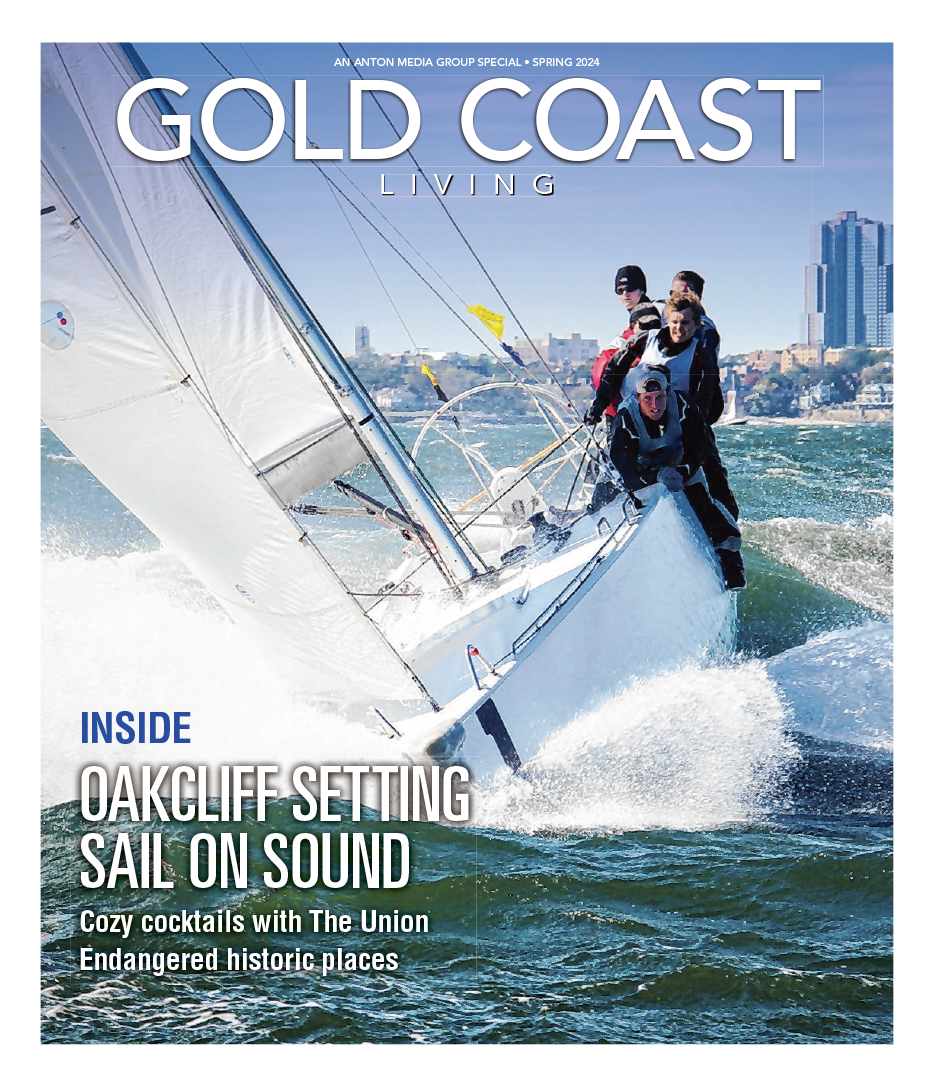
Boating is a very popular recreational activity in our area that many hundreds of residents enjoy. While boating provides relaxation and happiness to a lot of people, at the same time it is also an activity that can alter the environment. As boaters, it is important that at all times we use safe practices to protect ourselves, our guests, other boaters, and even the natural environment and its inhabitants.

Boaters greatly enjoy viewing the landscape, being outside, and numerous other marine activities. Interestingly, they may not always care for the very things they enjoy about boating. There are many easy things that all boaters can do to lessen their impact on the environment and still use it at the same time. The following are some clean boating practices that you can use to help us all enjoy boating now and in the future.

The most obvious sound boating practice is not to pollute. If you keep your boat organized there will be less chance of loose objects falling overboard or for someone to get injured. Polluting is not only illegal and damages the environment, it reduces the chance for all of us to continue enjoying the waterways. The most obvious pollutants we think not to throw overboard are bottles and napkins; nevertheless, cigarettes, food, and other items not native to the waterways wind up in the water. These items can be toxic to marine life and take many years to biodegrade. Neither people nor fish enjoy eating cigarettes. You should allocate an area on the boat for a trash bin and ashtray.

Fuel spills on the waterways are one of the most common and worst things that can hurt the environment and your boat, but they can be minimized. You can reduce your chance of a fuel spill by not topping off your tank. If you do have a fuel or oil spill, then you must stop it at its source, such as a leaking hose. You should always have absorbent pads or towels handy. It is illegal to wash away a spill. A spill must be disposed of properly and reported to the Coast Guard. The Coast Guard understands that accidents happen, but it is still your civic duty to report one. You can call on VHF channel 16 or call the National Response Center at 1-800-424-8802.

A lesser understood problem is that boat wakes can cause beach and land erosion as well as disrupt marine life habitat near shores. Erosion not only affects property owners and the natural environment, but also affects all boaters' safety by creating shoals or sandbars. To minimize problems for boating, marine life, and the shores, no wake should be created within 500 feet of shore. This is a law on many waterways for good reason. Note that a wake can be created by traveling just 2 to 3 knots. Speed limits generally are 5 knots near shore or high traffic areas to protect boaters and the environment.

Human waste is a reality in boating. Many boats have marine toilets and heads (bathrooms) to make boating more comfortable. Untreated sewage contaminates marine life, lowers water quality for marine activities, and can further the spread of disease. It is against federal law to discharge sewage within 3 miles of shore. In many areas, this restriction is extended further off shore. In Oyster Bay we are lucky to have approved floating- and shore-based waste pump-out stations to help with this source of pollution. There are several pump-out stations along the southern areas of the harbor. A great convenience is the town's pump-out boat that generally operates from 10 a.m. to 6 p.m. from Wednesday through Saturday. To check if the pump-out boat may be able to come to your boat you can call on VHF channel 9.

Boat washing is allowed in New York State with only water on the topsides and biodegradable detergent that does not contain phosphates on decks. Chlorine use is highly discouraged, so is heavy scrubbing that might release metal particles and toxic chemicals into the environment, as well as cleaning boat hulls in the water because this may let paint into the water. A simpler way to best help the environment is to wash the boat with only water after each use. Environmentalists also encourage waxing boats. A good wax coat reduces grime from getting imbedded into the boat, and therefore, minimizes the need for boats to be washed with anything other than water. Salt is the next biggest concern boaters have; but salt, as well as pollen and dust, can be easily rinsed away with water.

For more information about boating, environmental matters, and other water-related activities throughout the Oyster Bay area, you can email the author at Jaime.VanDyke@gmail.com or reach her at 946-9464.


LongIsland.com Logo
An Official Newspaper of the
LongIsland.Com Internet Community


| antonnews.com home | Email the Oyster Bay Enterprise Pilot|
Copyright ©2007 Anton Community Newspapers, Inc.
All Rights Reserved.

LinkExchange
LinkExchange Member

Farmingdale Observer Floral Park Dispatch Garden City Life Glen Cove Record Pilot Great Neck Record Hicksville Illustrated News Levittown Tribune Manhasset Press Massapequan Observer Mineola American New Hyde Park Illustrated News Oyster Bay Enterprise Pilot Plainview Herald Port Washington News Roslyn News Syosset Jericho Tribune Three Village Times Westbury Times Boulevard Magazine Features Calendar Search Add An Event Classified Contacting Anton News