State Senator Charles J. Fuschillo, Jr. (8th District - Merrick) on April 20 announced the passage of legislation, to simplify the process by which candidates get on the State Republican presidential primary ballot. The legislation would also make the ballot more clear for party voters by placing only the names of the candidates on the ballot.
"The current process for electing delegates to the Republican Party national convention has been criticized as unfair to candidates who don't have the money or resources to collect the required number of petition signatures to obtain a place on the ballot," Fuschillo said. "This measure enacts common sense reforms that will make it easier for legitimate candidates to secure a place on the primary ballot and make it easier for Republican primary voters to support the candidate of their choice.
"The existing primary process sets up barriers to candidates seeking to get on the ballot and, by requiring that voters pull levers next to the names of multiple delegates, rather than the candidates they support, makes voting a very confusing process," Fuschillo said. "The commonsense reforms in this bill will tear down those ballot barriers and make voting in a Republican presidential primary much more clear."
Provisions of the legislation include listing the names of presidential candidates, and not the names of delegates and alternate delegates, to appear on the ballot. All delegates would be allocated to the candidate who receives the greatest number of votes at a statewide primary.
Eligible candidates shall file a certificate with the State Board of Elections specifying his/her slate of delegates and alternate delegates. Delegates and alternate delegates are to be awarded on a winner take all basis to the candidate winning the majority of the statewide popular vote. All polling places in the state would be open from 6 a.m. to 9 p.m. during the spring primary.
Senator Fuschillo announced an agreement on a sweeping plan in the New York state budget to expand EPIC (Eldery Pharmaceutical Insurance Coverage), the state's prescription drug assistance program, that would double enrollment and reduce out-of-pocket prescription costs for over 2000,000 senior citizens.
According to Fuschillo, a member of the Senate Health Committee, under the agreement, married seniors earning up to $50,000 will become eligible for EPIC. Unmarried seniors earning up to $35,000 also will qualify. Those limits are up from $24,000 and $18,500 respectively. Additionally the agreement would reduce co-payments and fees by 20 percent, meaning savings of $100 or more for an average current EPIC subscriber.
"Seniors should not have to choose between buying food, paying rent and getting the medications they need to stay healthy and active," Fuschillo said. "This new program slashes deductibles, co-pays and fees to save EPIC subscribers hundreds of dollars more each year. Now, twice as many people will be eligible to cut their prescription costs."
According to AARP, senior citizens account for one-third of all prescription drug spending in the US, even though they comprise just 12 percent of the population. The federal government reports that costs for prescription drugs have outpaced the rise in medical costs, generally, climbing 11 percent each year between 1992 and 1997.
"Until now, many senior citizens who want to stay healthy and active have had no choice but to pay the higher prices for prescription medications," Fuschillo said. "The new EPIC plan puts vitally needed prescription drugs back in reach of seniors who might not have been able to afford them."
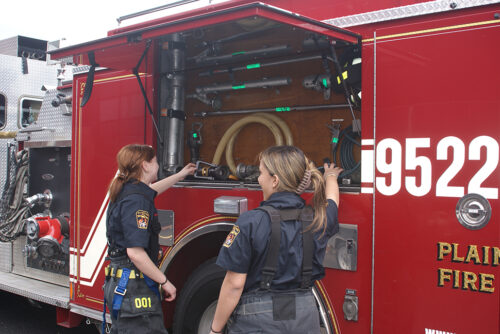
Senator Fuschillo announced that the Senate unanimously passed legislation to make New York the first state to require sales of "safer" cigarettes to help cut down on smoking-related fires blamed for one-third of all fire deaths.
The Cigarette Fire Safety Act is the first of its kind in the nation, requiring the establishment of statewide fire-safety standards for all cigarettes sold in the state within one year. The legislation sets penalties of $10,000 for each sale of products that do not meet the safety standards.
According to Senator Fuschillo, cigarettes are responsible for more fatal fires, claiming the lives of dozens of New Yorkers each year, including senior citizens, children, and three New York City firefighters who perished in a cigarette - sparked blaze in 1998.
"For years, cigarette makers have had the ability to market products that burn cooler, self-extinguish when they're not being smoked, and are less likely to ignite blazes that lead to tragedy and lost lives," Fuschillo said. "This lifesaving measure will greatly enhance the safety of New Yorkers by reducing the number of accidental fires."
Senator Fuschillo said the legislation is supported by firefighters' groups, including the state association of volunteer firefighters. In 1999, 28 percent of all fire deaths in New York City were caused by smoking, twice the number of arson related fatalities, according to the New York City fire marshal. A shocking two-thirds of victims were over 60 years of age.
"Across the state and the nation, thousands have died or been injured in fires caused by cigarettes," Fuschillo said. "This legislation will help end the carnage here in New York state and hopefully be adopted on the national level to protect all Americans from needless tragedy."
The legislation requires the State Office of Fire Prevention and Control to set standards for the "safer" cigarettes that will be less likely to cause fires to household items like upholstery, carpets, curtains, furniture and clothing.