Plainedge School District is trying to do what many school districts across Long Island are trying to do this year or have tried to do in the last few years- pass a large bond referendum. This is no easy task for any school district, but especially not for a district like Plainedge, which is known as a high tax/low wealth district. Because it is such a small district with very little commercial property it has the dubious privilege of being one of the highest taxed districts on Long Island. It is for this reason that the board of education of the Plainedge School District should be praised for their efforts on the community's behalf rather than berated the way they were at Monday night's Board/Community Dialogue.
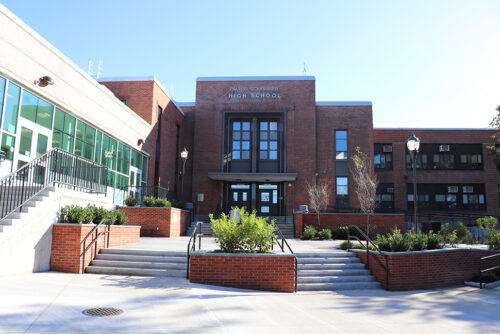
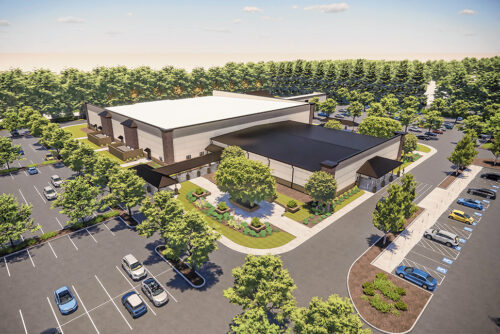
With a brand new superintendent, who came into this district with no intention of floating a $50 million bond in his first year at the helm, the Plainedge School Board has done their best to come up with a feasible plan, based on the facts and figures they have received from architects and the State, for a middle school that will best serve the needs of the children within the district.
The board was told that they could save $5 million for the taxpayers if they passed a bond by July 1, 2000. They were told that Packard Middle School is too crowded, is not educationally sound, leaks, and has crumbling concrete. They were told, by the State Education Department, that it was in their best interest to build a whole new middle school rather than trying to renovate the one they have. With this information in hand, and less than a year to figure out what to do, the board of education has attempted to come up with a plan that is in the district's best interest.
In an attempt to keep the residents informed throughout the whole process, the board of education has already held two Board/Community Dialogues. The first of these was held at Packard and offered residents the opportunity to tour the building and see the problems that were referred to in the presentation. This second one offered much of the same information as the first with the addendum that the board had passed a resolution to put up the rebuilding and not renovation for a vote. Again, they asked for the community's input.
The community gave their input but seemed to forget that the people to whom they were speaking (the board) were people that they voted into their positions. These everyday residents have volunteered their time and energy to the residents of the school district. At one point the school board president was asked what gave her the right to decide for the residents that the school should be rebuilt. Last May when two of the school board members were up for re-election they ran unopposed. That seems to say that either the residents in the community did not care enough to put the time and effort into being school board members themselves or they had faith in the current school board. Either way that gives the board of education certain rights.
One of the rights that the school board has is to use the information that they are given to the best of their ability. The Plainedge Board and the administration are doing their best to make some very difficult decisions and to keep the community informed at the same time. Right now they do not have all the answers to some difficult questions that are being asked at these meetings but they have only known about the increased state aid incentive for a matter of months and are trying to put together the best possible proposal as quickly as possible to ensure that the district gets the most money they can for capital improvements.
Two things must be kept in mind as this process progresses. The first is that the school board members are ordinary citizens who do not necessarily have the background in finance or architecture or engineering to answer every question off the top of their heads. The second thing is that they should not be criticized for rushing into this process. They have come to the public early on in an effort to inform residents of what is being considered. They are trying to be up front with the community and have been attacked for this. They could just as well have waited until January or February when they had more information to inform the public of what was being considered but instead they decided to let the community in on the step-by-step process that is being undergone. They are asking for feedback and listening to what the residents are saying. Angry residents claimed at the community dialogue that they were not being given any choices, that the board was not listening to them, but maybe they were not listening to the board.
The board has said that none of their decisions are final. They have shown their willingness to listen to the community in several ways, the first being the fact that they have set up these dialogues in the first place. Residents said they want to have a choice about whether to rebuild or renovate, the board members who were present said that they would take that idea back to the other members of the board and as a whole they would consider putting another option up for a vote. Residents said that the dialogue should have been held at Packard so a tour could be given, the board responded by moving the next board of education meeting to Packard so residents could be given a tour at that point.
The board is listening to the community's suggestions, is the community listening to the board? It is difficult when money is involved but whether you agree with the bond proposal or not try to give the board some credit for what they are trying to do. They are taxpayers as well. When they decide to float a bond or raise taxes it does not affect everybody but them. They are affected just as much as everyone else. You voted for your board, now work with them, and not against them. They have asked for the community's help in this bond proposal, they are listening to what the residents are saying but they are being fought every step of the way. Rather than yelling at the board and administration at these dialogues why not try and do something constructive and work with the board on a proposal that will work for everyone. The more people who volunteer with this effort the more community representation will be displayed in the final bond.
-Susie Trenkle